
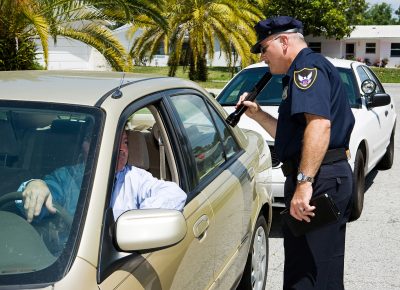
You’re pulled over. Things escalate. Suddenly, you’re being arrested—and an officer asks for your phone.
Can they actually go through it?
The short answer: usually no, but there are important exceptions you should understand.
Do Police Need a Warrant to Search Your Phone?
In most cases, yes.
The Fourth Amendment protects you from unreasonable searches and seizures. That protection extends to your smartphone, which courts recognize as holding deeply personal information, such as text messages, emails, photos, financial data, and more.
In 2014, the U.S. Supreme Court ruled in Riley v. California that police generally must get a warrant before searching the digital contents of a phone, even after a lawful arrest.
That rule applies in New Jersey, and in many cases, state law provides even stronger protection of personal privacy.
When Can Police Search Your Phone Without a Warrant?
There are a few limited exceptions. And yes, they matter.
Consent
If you say yes, officers can search your phone.
You are not required to consent.
Say it clearly: “I do not consent to a search of my phone.”
Exigent Circumstances (Emergency Situations)
Police may act without a warrant if there’s an urgent need, such as:
- Preventing immediate harm
- Stopping the destruction of evidence
- Responding to a serious threat (like a bomb threat)
These situations are rare and are often challenged in court.
Plain View
If something illegal is visible on your screen at the time of arrest, officers may rely on that observation. But that doesn’t mean they can start digging through everything else.
What Happens to Your Phone After an Arrest?
Police usually seize your phone as part of the arrest.
But seizing your phone is not the same as searching it.
To access its contents, officers typically must:
- Apply for a warrant
- Show probable cause
- Get approval from a judge
If they skip that step without a valid exception, any evidence they find may be thrown out.
Passcode vs. Face ID: Does It Matter?
Yes—more than most people realize. Here’s why:
A passcode generally offers stronger legal protection than Face ID or fingerprint unlocking. Why?
- Passcodes are considered testimonial (protected by the Fifth Amendment in many cases)
- Biometrics (fingerprints, facial recognition) are often treated like physical evidence, which courts may allow police to compel
This area of law is still evolving, but if privacy matters to you, a passcode is the safer choice.
Myth vs. Fact
Myth: Police can search anything on you after an arrest.
Fact: Your phone is treated differently and usually requires a warrant.
How to Protect Your Rights During an Arrest
If you’re ever in this situation, keep it simple:
- Stay calm and do not resist
- Clearly say: “I do not consent to any searches.”
- Do not unlock your phone
- Ask for an attorney and stop answering questions
- Do not delete or alter anything on your device
Even if things feel confusing in the moment, you always have the right to request a lawyer. Once you do, questioning should stop.
Why This Matters
Digital evidence plays a huge role in modern criminal cases. But law enforcement doesn’t get unlimited access to your private life just because you were arrested.
If your phone was searched without a warrant—or under questionable circumstances—a defense attorney may be able to:
- Challenge the search
- Suppress the evidence
- Strengthen your overall defense
Talk to a Defense Attorney Today
If you’re asking, “Can police search your phone during an arrest?” chances are this isn’t just theoretical.
If your phone was searched, or you’re facing charges, don’t assume the search was legal.
An experienced criminal defense attorney can review what happened and determine whether your rights were violated.
Contact Nugent Law today to schedule a confidential consultation and protect your rights—and your future.